
Yes, but not the land itself. Thai law lets a foreigner own a condominium outright in their own name, and lease a villa or house long-term, while direct land ownership stays off the table for non-Thai nationals. Which route makes sense depends on what you’re buying and how you plan to use it, and we’ll walk you through the real options before you commit to anything.

What Foreigners Can and Can’t Own
The rules depend entirely on what you’re buying:
- Condominiums. You can own a unit outright, in your own name, as long as the building’s foreign-owned units stay under 49% of its total floor area, and the purchase funds are transferred into Thailand from overseas in foreign currency.
- Villas and houses. You can own the building itself outright, but not the land beneath it. Villas are typically sold on a long leasehold instead.
- Land. Foreigners cannot own land directly, full stop. Buying land through a nominee shareholder, or a company set up purely to hold title on a foreigner’s behalf, is illegal and increasingly scrutinised by Thai authorities, not a loophole worth taking.
Foreign Freehold Condos
This is the cleanest ownership route Thailand offers a foreign buyer. You own the unit outright, within the building’s 49% foreign quota, with the purchase funds sent from overseas in foreign currency as Thai law requires, usually arriving with a Foreign Exchange Transaction (FET) form or equivalent bank confirmation that proves the money came from abroad, since the Land Office will ask for it at transfer.
We confirm a unit’s foreign quota status before you get attached to it, and a Thai lawyer handles the paperwork and registration at the Land Office. Browse our Phuket condos for sale.
Leasehold Villas and Houses
Most villas are sold on a registered lease, with the initial term capped at 30 years under Thai law, that’s the maximum that’s automatically enforceable. Many contracts also offer further 30-year renewal periods, but a renewal isn’t legally guaranteed the way the first term is. It’s a contractual promise from the lessor, not an automatic right, so it’s worth having a lawyer confirm exactly how binding your renewal terms are before you commit.
Registering the lease itself at the Land Office is what makes the initial term enforceable against a future owner of the land, an unregistered lease is far weaker protection, so this step isn’t optional. Browse our Phuket villas for sale.

A Legitimate Thai Limited Company
Owning through a Thai company only holds up legally when the company is a genuine, active business, not a shell set up solely to hold land on a foreigner’s behalf. That’s the nominee structure Thai authorities have been actively cracking down on.
It’s rarely the simplest route for a straightforward home purchase, and we’ll only ever point you toward it when it’s a legitimate fit, saying so plainly when it isn’t.
Buying Through a Thai Spouse
A Thai national spouse can hold land in their own name, but the foreign spouse must formally waive any ownership claim to it on record. Couples usually protect the foreign partner’s interest with a registered usufruct or a long lease over the land instead, set up by a lawyer alongside the purchase, not left as an informal understanding.
The Proposed 99-Year Lease
Thailand has discussed extending the maximum lease term available to foreigners beyond 30 years. As of now, this hasn’t become law, 30-year leases with renewal terms remain the legal standard, and we’ll update this page if that changes.
What Property Costs in Phuket Right Now
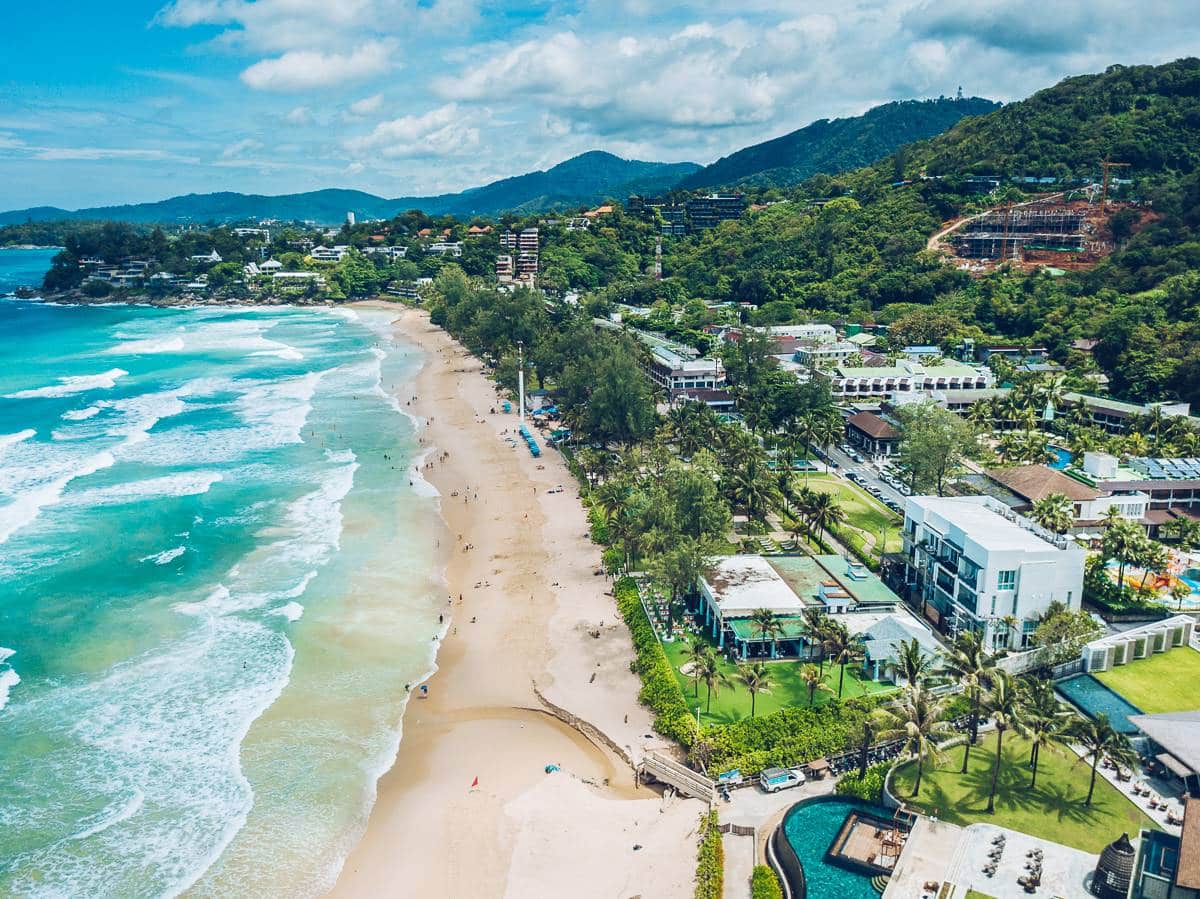
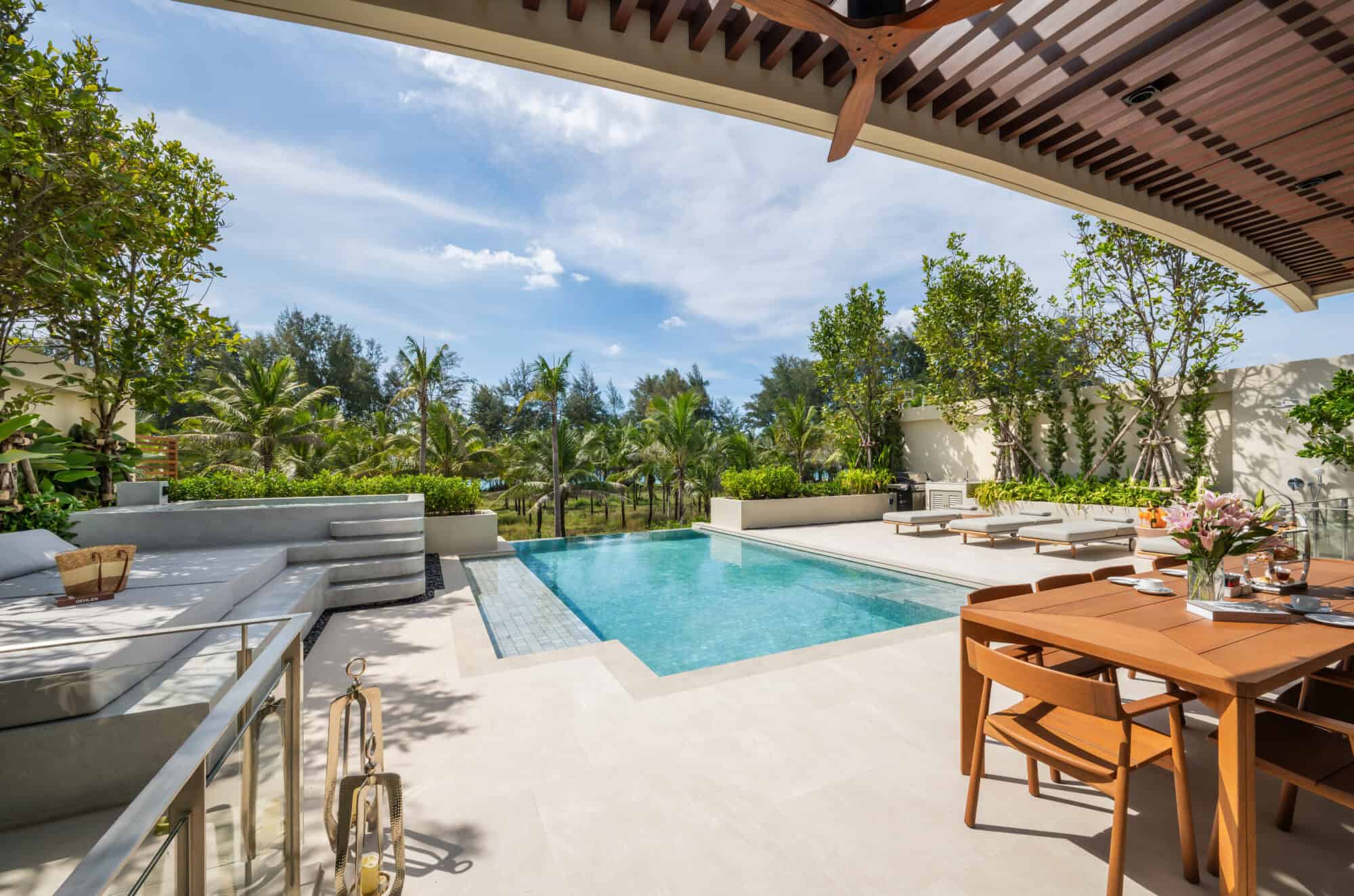
Real numbers from our current listings: condos run from around THB 5.4 million up into the hundreds of millions for penthouse and beachfront stock, and villas start from around THB 15 million, with the largest beachfront estates reaching THB 250 million or more. These move with the market, we’ll always confirm the current number before you travel to see anything.
What Else to Budget For
Beyond the purchase price, expect transfer fees at the Land Office, a share of the building’s common area fee or sinking fund on a condo, and furnishing if the property is sold bare. A leasehold villa may also carry registration fees for the lease itself.
None of these are fixed percentages we’d feel right quoting for the whole island, we give you the specific figures once you’ve settled on a property, not a made-up number upfront.
Getting Expert Help
We’ve been helping international buyers navigate Thai property law since 2005. A lawyer we work with handles due diligence, contract review and registration at the Land Office on every purchase, and every enquiry gets a personal, straight answer, including when a structure isn’t right for you.
Get in touch, or for the fuller buying process, fees and legal steps, see our Thailand property buyers guide.
Frequently Asked Questions
Can foreigners buy property in Phuket?
Yes. Condominiums can be owned outright in a foreigner's own name, and villas or houses can be leased long-term. Foreigners cannot own land directly.
Can foreigners buy land in Phuket?
No. Foreigners cannot own land in Thailand. You can lease land long-term, with an initial term of up to 30 years that's legally enforceable, and legally own any building on it. Further renewal periods are often offered but aren't automatically guaranteed under Thai law, a lawyer can confirm how binding a specific contract's renewal terms are.
Can foreigners own a villa or house in Phuket outright?
You can own the building itself outright, but the land it sits on has to be leased rather than owned.
What's the easiest type of property for a foreigner to buy?
A foreign freehold condominium. Ownership is straightforward, held in your own name, and fully protected under Thai law, provided the unit sits within the building's 49% foreign quota.
Is buying through a Thai company a good option?
Only if it's a genuine, active business, not a shell set up purely to hold land. For a straightforward home purchase, leasehold is usually simpler, more transparent and safer.
Will Thailand allow 99-year leases for foreigners?
It's been proposed, but it isn't law yet. A 30-year initial term remains the legal standard for now, with further renewals offered on a contractual, not guaranteed, basis.