
Is Phuket a good place to invest in property? For the right buyer, yes, and it has been for the twenty years we have been selling here. Year-round tourism, a west coast that cannot grow any more beachfront, and the most developed villa rental market in Thailand give the island something most resort markets lack: demand in every month of the year.
This page sets out what returns look like, where investors are buying in 2026, how foreign and Thai buyers own property here, and how we help you get it right.
Digital Villas has been matching buyers with villas, condos and rental properties in Phuket since 2005, from the beach clubs of Bangtao to the quieter shores of Layan and beyond. We charge no fees to buyers.
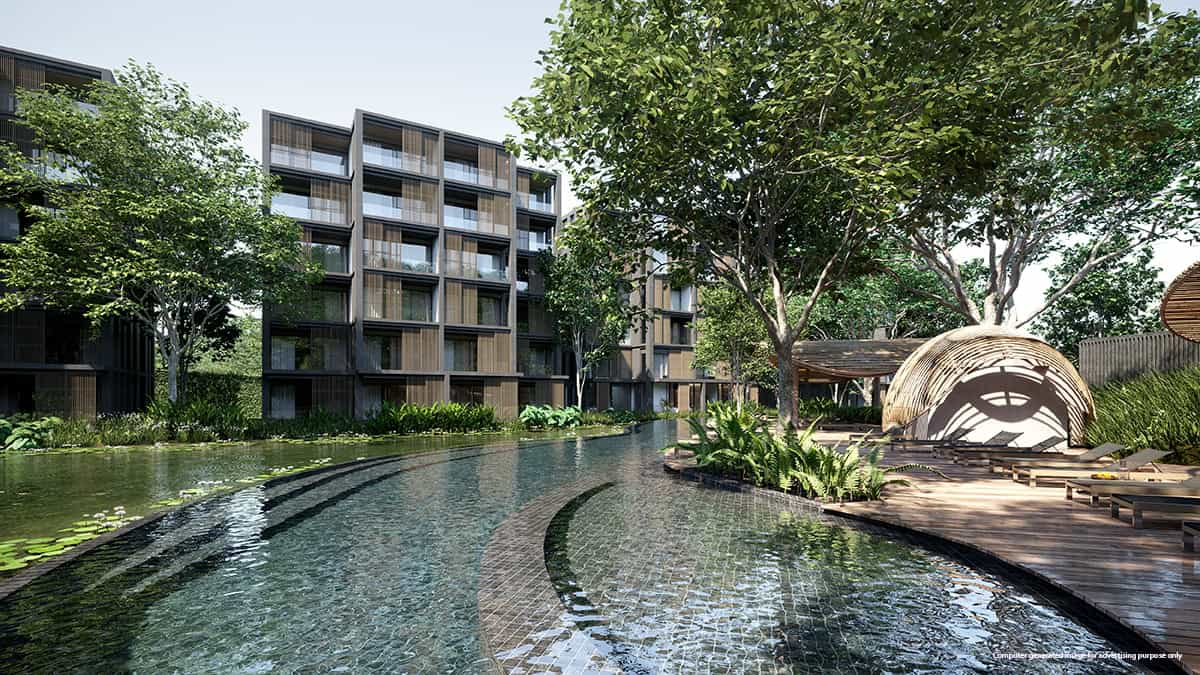
Is Phuket a good place to invest in property?
Yes, if you buy in an area guests already want to stay, at a price the rental market supports, and with a management plan in place. Three things underpin that answer.
Demand keeps coming. Phuket International Airport handled 17.4 million passengers in 2025, 10 million of them international, with traffic back to around 96% of its 2019 level. That is the pool of people who rent villas and condos here, and it refills every season.
Villas are selling faster than they are being built. Across the island, villa sales rose by around 13% in 2025 while new villa launches roughly halved. Fewer launches and rising sales is the combination that supports prices.
Land on the west coast is finite. Hillside terrain and building rules keep new beachfront stock scarce in Bangtao, Layan, Surin and Kamala. Limited land in exactly these areas is what supports long-term price growth for both condominiums and villas, and foreign demand remains the market’s main driver going into 2026.
The honest caveat: returns vary by location, property type and management, and no property investment carries a guaranteed return. Any yield or buy-back figure a developer quotes is that developer’s own offer rather than a market-wide certainty, and is worth reviewing with your lawyer before it factors into a decision.
What Phuket does offer is a resilient base to build an investment case on, which is more than most beach destinations can say.
What returns can you expect from a Phuket villa or condo?
Two kinds: rental income while you hold the property, and capital growth when you sell. Treat them separately, because the best property for one is not always the best for the other.
Rental income
Short-term holiday lets earn the most per night and need the most management. Long-term lets to residents and remote workers earn less but largely run themselves.
For a sense of scale, island-wide averages in 2025 put the starting rent for a one-bedroom condo at around THB 22,000 to 27,000 a month, depending on the length of the lease. A villa let short term averaged around THB 180,000 a month. Sea-view villas in Bangtao, Layan and Surin sit well above that in high season.
From our own experience, three things decide whether a property actually reaches those numbers: how close it is to the beach and to restaurants, the quality of the rental manager, and a realistic view of the low season. We will say so plainly when a villa is a home first and a rental play second.
Capital growth
West-coast prices have moved in one direction over the long term, and 2025 was no different. At the top of the market, new villas in Layan, Bangtao and Kamala averaged well over THB 200 million each. Cherngtalay, Karon and Bang Jo sat in the THB 150 to 180 million range, and west-coast land prices are still rising.
Across the island as a whole, the median asking price in 2025 was around THB 144,000 per square metre for condos and THB 70,000 for villas and houses. Branded residences command a premium of around 28% for condos and up to double for villas.
Those headline averages are pulled up by a handful of ultra-luxury launches. The practical point for most buyers is simpler: in twenty years we have not seen a shortage of buyers at any price band, and the areas with the least land left have appreciated most.
Where are investors buying in Phuket in 2026?
The west coast beach belt and the land immediately behind it. In 2025 Bangtao accounted for around a third of all condo sales on the island and Cherngtalay for around a fifth of villa sales, which matches what we see day to day. Here is how the same areas look in our own listings right now.
| Area | Why investors choose it | From, our listings |
|---|---|---|
| Bangtao / Laguna | Six kilometres of beach, Laguna’s golf and hotels, the island’s deepest holiday-rental market | Villas THB 74.2MCondos THB 5.4M |
| Layan | The same beach with the volume turned down; private villas that let well | Villas THB 29.8MCondos THB 39M |
| Cherngtalay | Behind Bangtao: schools, Boat Avenue, Porto de Phuket; the island’s strongest villa sales in 2025 | Villas THB 19.9M |
| Kamala | Beachfront town with new branded residences and year-round rental demand | Villas THB 38.9MCondos THB 10M |
| Pru Jampa and Thalang | Around 10 to 15 minutes inland; new-build pool villas at the lowest entry prices | Villas THB 14.9M |
| Koh Kaew and Cape Yamu | East coast, marinas, around 10 minutes from town; sea-view villas at mid-range prices | Villas THB 19.9M |
Each area has its own guide covering schools, hospitals, beaches, restaurants and real travel times, and every guide shows the villas and projects we currently have there. Start with the Phuket area guides.
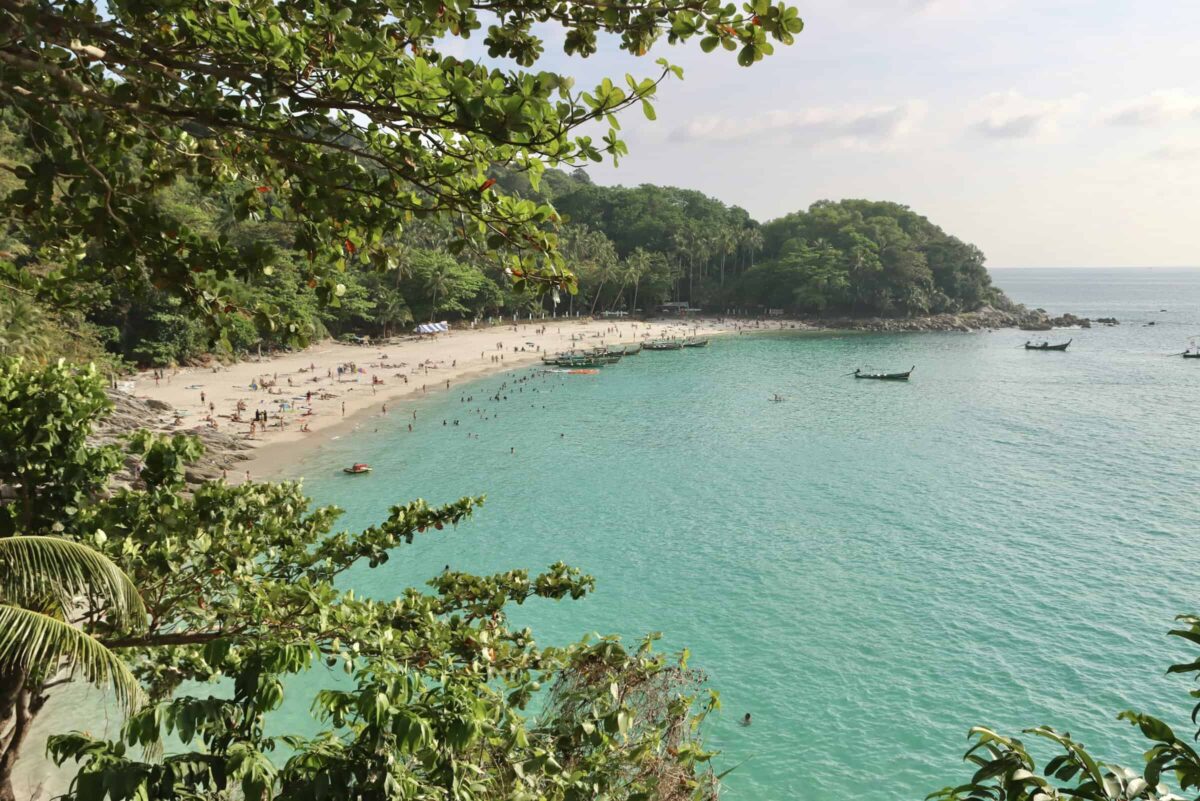
Villa or condo: which is the better investment?
| Freehold condo | Pool villa | |
|---|---|---|
| Entry price in our listings today | from THB 5.4M | from THB 14.9M |
| How a foreign buyer owns it | Outright, in your own name, within the building’s 49% foreign quota | The building outright; the land on a registered long lease, typically 30 years, with renewals set out in the contract |
| Rental profile | Easiest to let year-round, lowest running costs, building management included | Highest nightly rates, needs a rental manager, bigger swings between high and low season |
| Who buys them | First-time Phuket buyers, long-stay residents, yield-focused investors | Families, lifestyle buyers, and investors who want the asset to be the holiday as well |
| How 2025 went across the island | Sales down by about a quarter on 2024, with demand concentrated in prime west-coast buildings | Sales up by about 13% on 2024 |
Our rule of thumb after twenty years: buy a condo for income and simplicity, buy a villa for lifestyle with income on the side. The happiest owners we know chose the property they would want to stay in themselves, and let it when they are not there.
New build, branded or resale?
All three have their place. Branded residences, run by an international hotel group, carry a premium but also the strongest rental programmes, and the luxury and branded segment has been the strongest performer going into 2026.
Off-plan new builds give you the lowest entry prices and staged payments. A large number of projects launched over the last three to four years, so developers are now competing on price and incentives. That is good news if you are buying now and know how to negotiate.
A resale villa with a rental history lets you check the numbers instead of trusting a brochure. We sell all three and will tell you which fits what you want the property to do.
How do foreign and Thai buyers own investment property in Phuket?
Thai nationals can own land and property outright, with no quota and no lease. Foreign buyers have well-established legal routes.
Condominium. You own the unit outright, in your own name, provided foreign ownership in the building stays within 49% of its total saleable floor area. Funds arrive from overseas in foreign currency, the receiving bank issues a Foreign Exchange Transaction form, and the unit is registered in your name at the Land Office.
Villa or house. The building is yours outright. The land is held on a registered long lease, with an initial term of up to 30 years and renewal terms written into the contract.
Thai company. A genuinely operating company with real capital and real Thai shareholder control can hold property. Authorities have stepped up enforcement against nominee set-ups, so this route needs proper advice rather than an old assumption.
This is general market guidance rather than legal advice. We recommend that every purchase goes through an independent Thai property lawyer who reviews the title, the contract and the structure before any money changes hands, and we can introduce lawyers we have worked with when you reach that stage. For the full picture see Can foreigners buy property in Phuket? and Leasehold vs freehold in Thailand.
What does the buying process look like?
Simpler than most buyers expect. You tell us what the property needs to do for you, income, a base in Phuket, or both, and your budget. We put together a shortlist and arrange viewings, usually over a couple of days.
Once you have chosen, a reservation agreement holds the property while your lawyer carries out due diligence on the title and the developer. Funds are transferred from overseas, and the sale or lease is registered at the Land Office. A finished villa or condo can complete within weeks. Off-plan purchases pay in stages as construction progresses.
Our step-by-step guide to buying property in Thailand as a foreigner covers documents, costs and timings.
What are the risks, and how do we reduce them?
The low season. Rental income is seasonal. We model the year, not the best month, and point short-term investors at the areas where guests still come in September.
The wrong location. Phuket has more than 40,000 units for sale, and projects in secondary spots without a clear reason to exist are the ones that sit. We only show you areas with a rental and resale track record, and we tell you when a cheaper plot is cheap for a reason.
The developer. With many off-plan launches competing, the strength of the developer and the quality of what they have already delivered matter more than the renderings. Every project we list has been visited by us, and we have worked with the island’s leading developers for years.
Management. A villa is only as good as the people letting and maintaining it. We can introduce rental managers with a track record in the specific area, and say honestly when a property will need hands-on ownership.
The legal structure. The right route depends on the property and on you. Your independent lawyer confirms the details; we make sure you arrive at that meeting with the right questions.
How Digital Villas helps investors
Right now we have 122 villas and condos for sale across 56 projects from seven developers, plus 35 holiday villas for rent, so we see what actually lets and what actually sells every week.
We work with both foreign and Thai buyers, we charge buyers nothing, and we would rather talk you out of the wrong property than into it. Browse the current Phuket villas for sale and Phuket condos for sale, or tell us what you are looking for and we will send a shortlist with real prices and availability.
Passenger figures are those reported by Phuket International Airport for 2025. Market figures are our reading of island-wide 2025 data. Listing counts and prices are from Digital Villas’ own listings and update as properties sell.
Frequently Asked Questions
Is Phuket property a good investment?
For the right buyer, yes. Tourism demand runs all year, west-coast land is finite, and in 2025 villa sales across the island rose by around 13% while new launches roughly halved. The property has to be in an area guests already want, at a price the rental market supports, with proper management. No return is guaranteed.
How much do I need to invest in Phuket property?
Our condos currently start from THB 5.4M and our pool villas from THB 14.9M. Prime beachfront villas in Bangtao, Layan and Kamala run from tens of millions into the hundreds of millions of baht.
What rental income can a Phuket villa or condo earn?
It depends on location, season and management. As a benchmark, island-wide averages in 2025 put starting rents at around THB 22,000 to 27,000 a month for a one-bedroom condo depending on lease length, and around THB 180,000 a month for a villa let short term. We model the full year for any property you are considering, not just high season.
Do Phuket villas go up in value?
Over the long term west-coast prices have risen, and the limited land left in Bangtao, Laguna, Layan and Kamala continues to support price growth. The areas with the least land left have appreciated most. Past growth is not a promise of future growth.
Which area of Phuket is best for rental income?
The west coast beach belt: Bangtao, Laguna, Layan, Surin and Kamala, where most visitors want to stay. Cherngtalay, just behind Bangtao, suits owners who want long-term tenants as well as holiday lets. Each area guide shows our current villas there.
Villa or condo: which is the better investment in Phuket?
A condo is simpler and cheaper to run and is easiest to let all year. A villa earns the highest nightly rates and holds its appeal with lifestyle buyers, but needs a rental manager. Our rule of thumb: a condo for income, a villa for lifestyle with income on the side.
Can foreigners own investment property in Phuket?
Yes. A condo can be owned outright in your own name within the building's 49% foreign quota, and a villa is bought on a registered long lease of the land with the building owned outright. A genuinely operating Thai company is a further route. Your independent lawyer confirms the right structure.