

- How Buying a 3M+ THB Condo Gets You Long-Term Residency
- What Is the Thailand Long Stay Visa?
- The Three Qualifying Paths
- Who Can Apply? (and Who Can Join You)
- How Long Does the Visa Last?
- Documents You’ll Need
- Why This Matters for Phuket Buyers
- Important Caveats to Be Aware Of
- How to Get Started
- FAQs
- Final Thoughts
How Buying a 3M+ THB Condo Gets You Long-Term Residency
If you’ve ever dreamed of living in Thailand long-term without the constant hassle of visa runs, border hops, or the uncertainty of tourist-based stays, there’s a compelling new route worth knowing about.
Since October 2025, Thailand has offered foreigners a straightforward path to long-term residency through property investment. Buy a condominium worth 3 million THB or more, and you can apply for a Long Stay Visa, giving you the right to live in Thailand on a renewable, multi-year basis.
It’s one of the most practical and accessible long-term visa options Thailand has ever introduced, and for anyone already thinking about buying a condo in Phuket, it makes the decision even more compelling.
Here’s everything you need to know.
What Is the Thailand Long Stay Visa?
The Thailand Long Stay Visa (sometimes called the Long Stay Investment Visa or Property Investment Visa) is a residency scheme that links your right to stay in Thailand directly to a qualifying property investment or rental arrangement.
It was officially launched on 1 October 2025 under Immigration Bureau Orders 237 and 238, and is administered through the Thai Immigration Bureau, with the Ministry of Tourism and Sports playing a key role in the certification process. It replaced a patchwork of workarounds that expats previously relied on, creating a single, clearly defined pathway.
The key appeal? You invest in property you actually want to own, and that investment simultaneously secures your right to live in the country you love.
The Three Qualifying Paths
There are three ways to qualify for the Long Stay Visa. All require a minimum investment level of around 3 million THB, but they apply in different situations depending on whether you’re buying or renting.
Path 1: Purchase a Condominium (Most Popular)
This is the most straightforward and permanent route for most foreign buyers.
Requirements:
- Purchase a freehold condominium unit registered in your name
- Minimum purchase price of 3,000,000 THB
- The unit must be a residential condo under the Condominium Act
- Funds must be transferred from overseas in foreign currency (standard requirement for foreign condo purchases in Thailand)
- You’ll need a Foreign Exchange Transaction (FET) form as proof of international transfer
This is clean, permanent ownership, and the most common route for buyers coming through Digital Villas.
Good to know: This path gives you a 12-month initial visa validity, followed by 12-month renewable extensions.
Path 2: Long-Term Lease (3+ Years)
If you’d prefer to lease a villa or house rather than buy a condo outright, you can still qualify, provided the total lease value reaches the threshold.
Requirements:
- Lease term of more than 3 years, registered at the Land Office
- Total contract value of at least 3,060,000 THB
- Your name must clearly appear in the lease documentation as the tenant
- The landlord must be a Thai national or a Thai company with at least 51% Thai shareholding
- Prepaid rent receipts required (minimum 3 months upfront for initial application)
This is a great option for those who love the lifestyle of a private Phuket villa but aren’t ready to commit to a purchase.
Path 3: Long-Term Rental (High Monthly Rate)
The third route is for renters on more flexible contracts, but the monthly commitment is significant.
Requirements:
- Monthly rent of at least 85,000 THB per month
- Minimum lease term of 1 year
- Proof of advance rent payment (3 months for initial application, 12 months for the first annual extension)
- Same landlord nationality requirements as Path 2 apply
At 85,000 THB/month, this is roughly equivalent to spending over 1 million THB per year on rent, so unless you’re already renting at that level, Paths 1 or 2 will make more financial sense for most people.

Who Can Apply? (and Who Can Join You)
The Long Stay Visa isn’t just for the primary investor; it also extends to immediate family members.
Eligible dependants include:
- Spouse – must have a legally recognised marriage. Since Thailand legalised same-sex marriage in January 2025, this applies equally to same-sex couples.
- Children – biological, adopted, or stepchildren who are unmarried and under 20 years old
- Parents – the applicant’s mother or father, aged 50 or above
This makes it an especially attractive option for families relocating to Thailand or retirees who want their loved ones to be able to stay with them.
How Long Does the Visa Last?
The validity timeline works as follows:
| Stage | Duration |
|---|---|
| Initial approval stamp | 90 days |
| First extension – condo purchase or 3-year lease | 12 months |
| First extension – monthly rental path | 12 months |
| Subsequent annual renewals (all paths) | 12 months |
After approval, you apply for your extension before the initial 90-day stamp expires, and from there you’re on a rolling annual renewal cycle, provided you maintain the qualifying investment.
Documents You’ll Need
The exact documents vary slightly depending on which path you take, but here’s a general checklist:
For condo purchase (Path 1):
- Completed visa application form
- Passport (with copies)
- Condo title deed showing your name
- Condo unit registration documents
- Foreign Exchange Transaction (FET) form from the seller’s bank
- Proof of purchase payment (bank transfer receipts)
- Government appraisal (from the local Land Office)
- Photos of the building exterior, unit entrance (showing room number), and interior
- Map showing the property’s location
For lease (Path 2) and rental (Path 3):
- All of the above passport and form requirements
- Lease or rental contract with a clear term, total value, and tenant name
- Advance rent payment receipts
- Landlord identification documents (and company shareholder evidence if landlord is a company)
- Any required Thai translations and MFA certifications
It sounds like a lot, but a good Thai lawyer can handle most of the paperwork on your behalf, and if you’re buying through Digital Villas, we can point you in the right direction.
| Path | Minimum Investment | Term Required | First Extension |
|---|---|---|---|
| Condo Purchase (Freehold) | 3,000,000 THB | Permanent ownership | 12 months |
| Long-Term Lease (3+ years) | 3,060,000 THB total | 3+ years, registered at the Land Office | 12 months |
| Monthly Rental | 85,000 THB / month | Minimum 1 year | 12 months |
Why This Matters for Phuket Buyers
Phuket has long been one of the most sought-after locations in Southeast Asia for property investment and expat living, and this new visa makes the case for buying here even stronger.
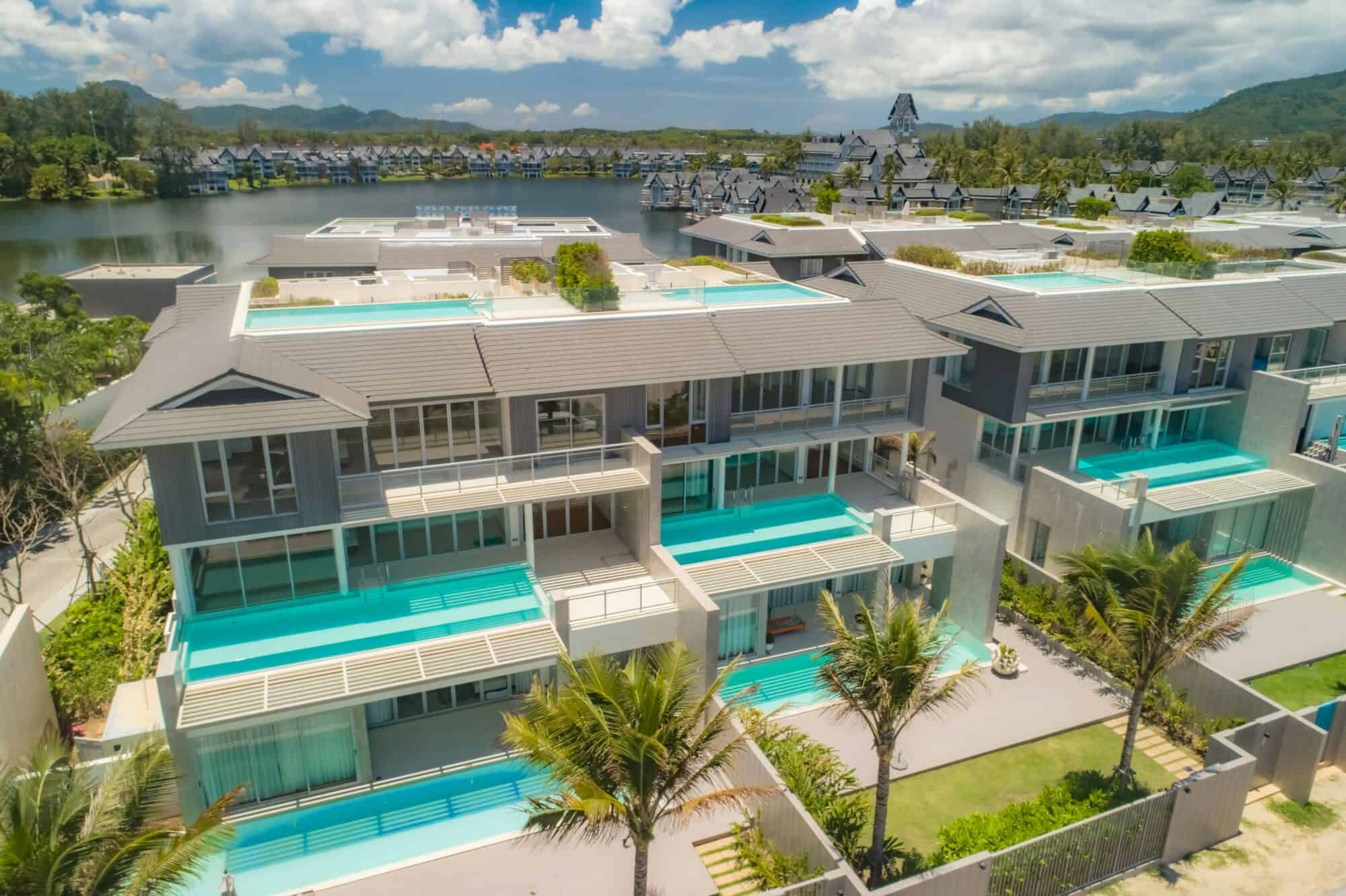
At 3 million THB, the entry threshold is well within reach of many of the condos available in key Phuket areas. Developments in Bangtao, Cherng Talay, Laguna, Kamala, and Patong regularly offer quality freehold units at or above this level, meaning the visa isn’t a stretch for buyers who were already considering a purchase.
The combination of:
- Freehold condo ownership in a world-class beach destination
- Long-term residency rights for you and your family
- A stable, renewable visa without the stress of constant renewals
…is hard to beat anywhere in the region.
Important Caveats to Be Aware Of
This Is a Residency Extension, Not Full PR
Legally speaking, the Long Stay Visa is classified as an investment-based extension of stay, not permanent residency or citizenship. It’s renewable as long as you maintain the qualifying investment, but it doesn’t automatically lead to a Thai passport or permanent resident status.
The Legacy 3M Rule Is Different
There is an older “3 million THB investment” rule in Thai law, but it applies only to people who entered Thailand before October 1, 2006, and have maintained continuous status since then. If you’re starting fresh, this legacy route is not available to you. The October 2025 scheme described in this article is the current, accessible path.
Work Rights Are Not Included
The Long Stay Visa gives you the right to reside in Thailand; it does not automatically grant you the right to work. If you plan to work while in Thailand, you’ll need a separate work permit regardless of your visa type.
Keep Your Investment Active
Your visa status is tied to your property investment. If you sell your condo or terminate your qualifying lease, you’ll need to reassess your visa options. Always seek legal advice before making any changes to your property situation once you’re on this visa.
How to Get Started
- Find a qualifying property – Browse our selection of condos for sale in Phuket starting from a range of price points
- Engage a reputable Thai lawyer – They will guide you through the purchase, title check, FET forms, and visa application
- Complete your purchase – Ensure funds are wired from an overseas account in your name, and obtain the FET form from the seller’s bank
- Gather your documents – Work with your lawyer to prepare the full application package
- Obtain your Ministry of Tourism certification – Before Immigration will approve your extension at the 3 million THB threshold, you must first obtain a Certification Letter from the Ministry of Tourism and Sports, issued through Thailand Longstay Management Co., Ltd. Your lawyer can handle this on your behalf, but factor it into your timeline.
- Apply at immigration – Once certified, your lawyer will submit the full extension application to the Immigration Bureau on your behalf.
FAQs
What is the minimum investment for Thailand’s Long Stay Visa?
3 million THB, whether that’s a freehold condo purchase, a registered lease of 3 years or more (3.06 million THB total contract value), or rent of at least 85,000 THB a month.
How long does the Thailand Long Stay Visa last?
You get an initial 90-day approval stamp, then a 12-month extension, renewed annually after that for as long as you maintain the qualifying investment.
Can my family join me on a Thailand Long Stay Visa?
Yes. Your spouse (including same-sex spouses, recognised since January 2025), unmarried children under 20, and parents aged 50 or above can all be included as dependants.
Does the Long Stay Visa let me work in Thailand?
No. It grants residency rights only, not the right to work. You’d need a separate work permit for that.
Is the Long Stay Visa the same as permanent residency?
No. It’s an investment-based extension of stay, renewable annually as long as you keep the qualifying investment, not full permanent residency or citizenship.
What happens if I sell the property my visa is based on?
You’ll need to reassess your visa options, since your status is tied directly to the investment. Always get legal advice before making any changes once you’re on this visa.
Final Thoughts
Thailand’s Long Stay Visa via property investment is one of the most straightforward and rewarding residency schemes in Southeast Asia right now. For anyone on the fence about buying property in Phuket, it adds a powerful new dimension to what is already a compelling investment.
A 3 million THB condo doesn’t just give you a beautiful place to live; it gives you the legal right to live there long-term with your family.
If you’d like to explore your options, our team at Digital Villas is here to help you find the right property and connect you with the right legal professionals to make it happen.
Explore Phuket Condos for Sale
Disclaimer: This article is for informational purposes only and does not constitute legal or immigration advice. Visa rules can change; always consult a qualified Thai immigration lawyer before making any decisions based on this information.
More Buyers Guides
Buying a Phuket Villa Direct from the Owner: What to Know First
Can you buy a villa in Phuket direct from the owner? Yes, private sales happen here, and some…
Leasehold vs Freehold in Thailand (2026 Guide)
Thinking of buying property in Thailand, but not sure whether to go for leasehold or freehold? You’re not…